Culinary Experiences: Learning Through Local Cuisine
Exploring local cuisines is not just about tasting new dishes; it's a gateway to understanding culture, history, and community. Engaging in culinary experiences can offer travelers profound insights while creating lasting memories.
Understanding the Cultural Significance of Cuisine
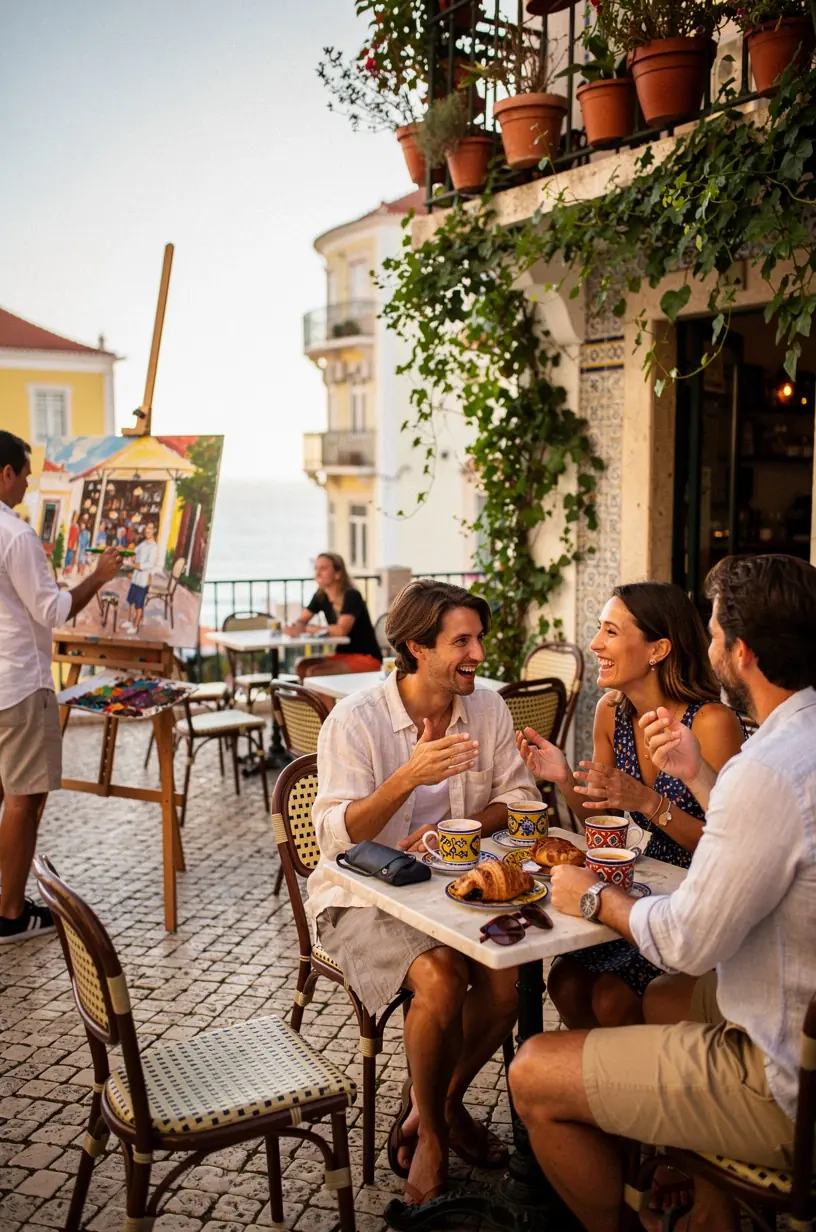
Food is often considered a reflection of a region's traditions and values. According to research, culinary practices can reveal a lot about the social norms and historical context of a place. For instance, traditional Portuguese cuisine typically features ingredients that are locally sourced, highlighting both the agricultural practices and the natural resources of Portugal. This connection to the land allows travelers to gain a deeper appreciation for the culture while enjoying local flavors.
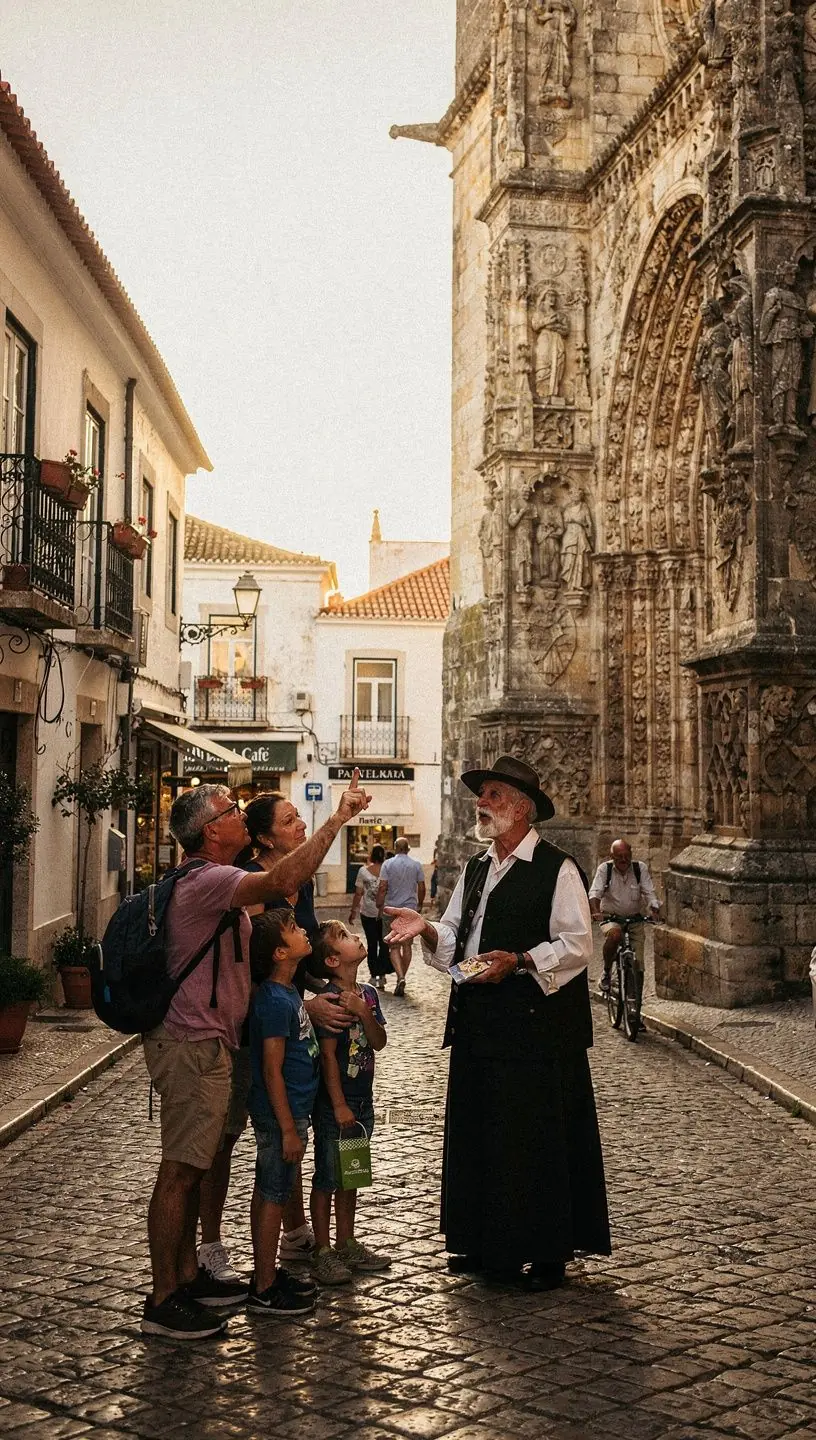
"Food is the universal language of humanity; it connects us across cultures and fosters understanding."
The Benefits of Learning Through Local Cuisine
Participating in local cooking classes or food tours can provide practical benefits for travelers. Here are several key advantages:
- Enhanced Understanding: Engaging with local chefs and food artisans helps travelers understand the techniques and histories behind traditional dishes.
- Memorable Experiences: Many users report that learning to cook a local dish significantly enriches their travel experience, making it more memorable.
- Connection to Community: By interacting with locals, travelers often find that they build relationships that go beyond the typical tourist experience.
Practical Steps to Get Involved
For those looking to dive into culinary experiences, consider the following steps:
- Research available culinary classes or food tours in your destination. Websites like Airbnb Experiences and Viator typically offer various options tailored to different interests.
- Choose experiences that focus on local traditions. This ensures you gain authentic insights that reflect the area's culture and history.
- Be prepared for a time commitment. Many cooking classes can last from 2 to 4 hours, offering ample opportunity to learn and engage.
Acknowledging Potential Limitations
While culinary experiences can be enriching, it’s essential to set realistic expectations. For instance, while many users find great joy and learning in these experiences, not every class may meet individual expectations. It’s crucial to approach these opportunities with an open mind and a willingness to experiment.
Conclusion
Ultimately, learning through local cuisine can be a powerful way to connect with a culture while enhancing your travel experience. By embracing culinary practices, travelers not only enjoy delicious food but also gain meaningful insights into the community's way of life. As you plan your next trip in Portugal or other parts of Europe, consider prioritizing culinary experiences that enrich your journey and foster a deeper connection to the places you visit.
Read More